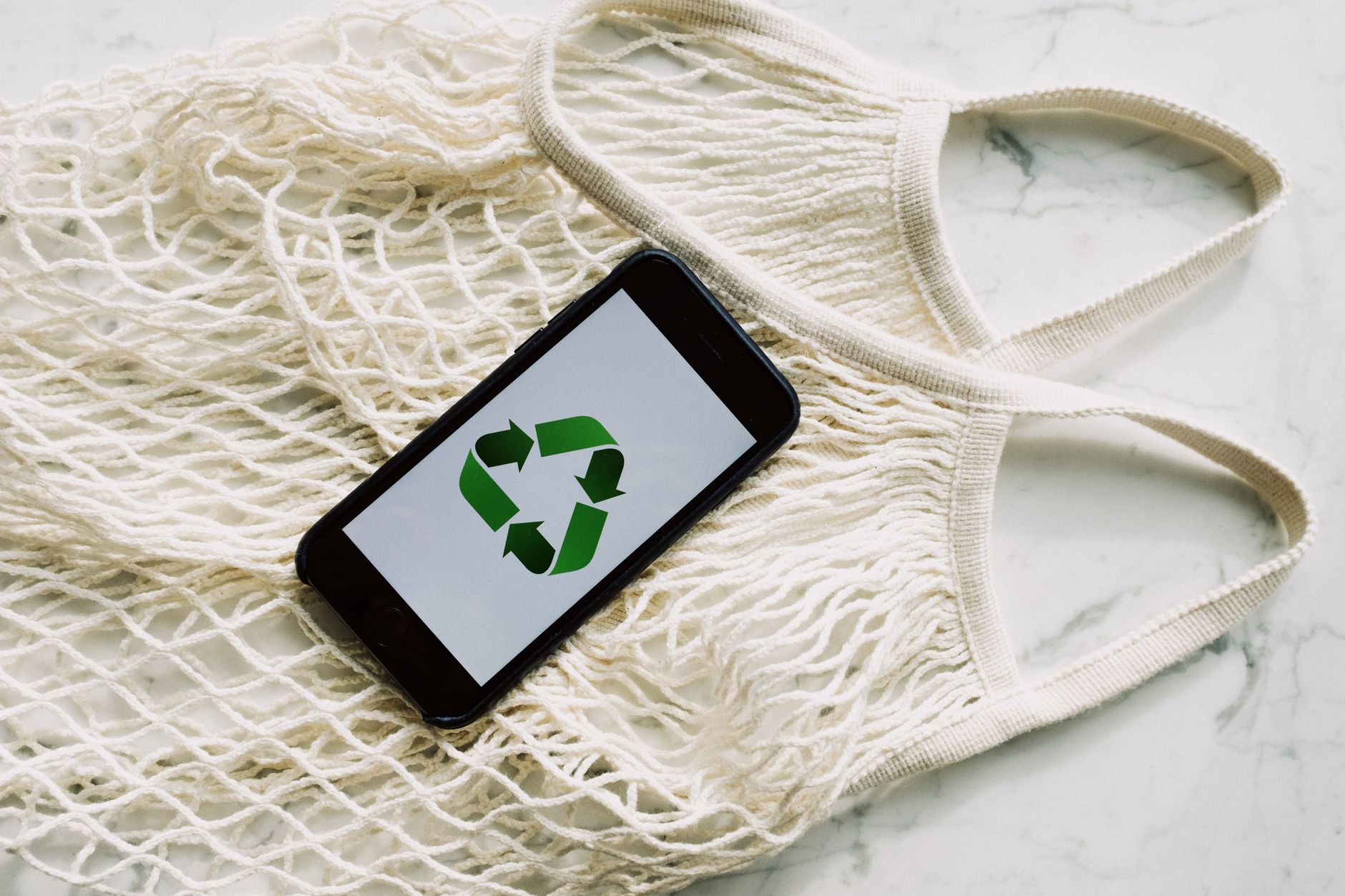
For most people, the lower-impact smartphone is usually the one they already own—provided it remains safe, secure and useful. A newer phone may consume less electricity while charging, but much of a smartphone’s environmental impact is created before purchase: during material extraction, refining, component manufacturing, assembly and transport.
That does not mean replacement is never reasonable. A failing battery, serious damage, unavailable security updates or an essential accessibility need can justify buying another device. But frequent upgrades are difficult to justify environmentally because every new phone begins another resource-intensive manufacturing cycle.
The environmental impact of smartphones is therefore about the whole life cycle, not only charging. The practical question is whether the benefits of a replacement outweigh the impact of making it.
The biggest footprint usually comes before the phone is sold
A life-cycle assessment estimates a product’s impacts from raw-material extraction through manufacturing, transport, use and end-of-life processing. Results vary by model, component supply chain, factory electricity mix, years of use and recycling assumptions.
Even so, manufacturer reports and independent life-cycle research commonly find that production is the largest source of a smartphone’s climate impact. Phones use relatively little electricity in day-to-day operation compared with the energy-intensive processes used to produce chips, displays, batteries and other components.
Apple’s product environmental report for the iPhone 15 Pro, for example, estimates a life-cycle footprint of 67 kilograms of carbon-dioxide equivalent. Apple attributes 83% of that total to production. This is a company-reported estimate rather than an independent audit, and it should not be treated as a figure for every smartphone. It does illustrate a recurring pattern: smartphone emissions are often heavily front-loaded.
Transport, charging and recycling still matter. Their shares can rise when devices are shipped by air, used for many years on a carbon-intensive electricity grid or replaced unusually quickly. However, avoiding a new manufacturing cycle will often have more effect than making small changes to how an existing phone is charged.
What is inside a smartphone?
A smartphone is small, but its supply chain is complex. It may contain glass, plastics, silicon, copper and aluminium, plus smaller quantities of gold, silver, tin, tungsten and other metals. Batteries commonly use lithium, graphite, nickel, cobalt or manganese, although battery chemistry differs by manufacturer and model.
Some phones also contain rare earth elements in parts such as speakers, vibration motors and cameras. Rare earth elements are distinct from commonly discussed battery minerals: lithium, cobalt and graphite are not rare earth elements.
Mining and refining can disturb land, consume water and energy, generate waste and create risks for workers and nearby communities, particularly where oversight is weak. These impacts differ substantially by material, location, extraction method and governance. It is misleading to reduce the issue to one “bad mineral”; smartphones rely on dozens of materials and specialist supply chains.
Manufacturing creates much of the environmental cost of phone production
After extraction and refining, materials are made into processors, memory chips, circuit boards, displays, camera modules, batteries, enclosures and antennas. These processes can require clean rooms, specialized chemicals, high temperatures, ultrapure water and tightly controlled equipment.
Semiconductor fabrication involves repeatedly depositing, etching and patterning thin layers on silicon wafers. Display and battery manufacturing also require carefully processed materials and controlled production conditions. The finished device is light, but considerable energy and industrial infrastructure are embedded in it.
Factory electricity sources can materially affect reported emissions. Lower-carbon electricity can reduce the climate impact of component production, while fossil-fuel-heavy grids can increase it. Comparing brands remains difficult because companies use different reporting periods, assumptions and system boundaries. Recycled materials can reduce demand for newly mined inputs, but they do not remove the energy and processing required to make a new phone.
Shipping matters, but it is rarely the whole story
Smartphones can pass through several countries before sale: materials may be processed in one place, components made in another, devices assembled elsewhere and then distributed globally. Packaging, returns and replacement shipments add to the total.
Transport emissions depend heavily on mode. Air freight is generally far more emissions-intensive per kilogram of cargo than sea freight, while road and rail are important between ports, warehouses and retailers. Choosing standard delivery instead of an urgent replacement may reduce impact at the margin, and avoiding unnecessary returns helps.
Still, transport should be kept in perspective. If a working phone can be repaired and used for another two years, that will usually avoid more impact than choosing between delivery options for a newly manufactured device.
Software support can leave good hardware behind
A phone can be physically intact but no longer practical because it does not receive security patches, cannot run essential apps or has become too slow for ordinary tasks. This is a less visible driver of replacement.
Operating-system updates can add features and fix bugs, while security updates address known vulnerabilities. The risks of using an unsupported phone are more serious when it handles banking, work accounts, health information, two-factor authentication or identity documents. Continued use may appear environmentally attractive, but it can be an unsuitable trade-off for sensitive tasks.
Longer software support can extend a device’s useful life and make battery or screen repair more worthwhile. Check support policies for the exact model and market: manufacturers may distinguish between major operating-system upgrades and security patches, and terms can vary by region and product tier.
A slow phone is not always obsolete. Full storage, battery degradation, unnecessary background apps or outdated software can affect performance. Clearing storage, installing current updates or replacing a degraded battery may extend its useful life without replacing the handset.
Repairability changes the calculation
Phone repairability can reduce the environmental impact of smartphones by extending the life of devices already made. Accessible batteries and screens, available spare parts, repair documentation and diagnostic tools can turn a phone that appears finished into one that remains useful.
Common problems include degraded batteries, cracked screens, worn charging ports and failed buttons or cameras. A successful repair preserves the materials and emissions already invested in the original device. It may cost more than a discounted new phone, but the environmental comparison is not limited to the price at checkout.
Repair is not always straightforward. Adhesives used for compact construction and water resistance can make phones difficult to open. Some parts are electronically paired to devices and may need calibration tools after replacement. Independent repair businesses can also face limited parts access, uncertain supplies and high labour costs.
Right-to-repair policies can help address these barriers. In the European Union, ecodesign requirements for smartphones and tablets began applying in June 2025. The rules include provisions covering durability, access to certain spare parts, repair information and software updates. EU energy-label information is also intended to help buyers compare repairability, battery endurance, durability and energy efficiency.
Manufacturer repair programmes, authorized providers and independent repair shops can all be useful. However, severe water damage, a swollen battery, a bent frame or several major failures may make repair unsafe or uneconomic.
When keeping an older phone is usually greener
Using a phone longer spreads its manufacturing footprint over more years of service. Keeping an existing phone is often the lower-impact option when it still meets the owner’s needs.
- It receives security updates or can safely be limited to appropriate tasks.
- Its battery remains reliable, or a replacement is available.
- The screen, charging port and core hardware work properly.
- Storage and performance remain adequate after basic maintenance.
- It supports necessary accessibility, communication, work, education or banking functions.
A protective case and screen protector can prevent accidental damage that shortens a phone’s life. Keeping compatible chargers and accessories in service can also avoid unnecessary purchases.
Age alone is not decisive. A five-year-old phone with current security support and a replacement battery may be a sensible environmental choice. A newer phone with unsafe battery damage, no support for essential apps or no viable repair path may not be.
When replacement can be justified
Replacement can make practical and environmental sense when repair will not restore safe, dependable use. A swollen or damaged lithium-ion battery needs professional attention. Serious structural damage, repeated failures, unavailable parts, insufficient storage for essential tasks and the end of security support can also change the calculation.
A newer phone may offer a longer support period, better battery endurance, improved durability, accessibility features or a more repairable design. These benefits can matter greatly for people who depend on a phone for work, education, navigation, health access or communication. Improved charging efficiency alone, however, rarely makes an immediate upgrade automatically greener because the new device must first account for its manufacturing impact.
When a purchase is necessary, compare software-support commitments, spare-parts availability, repair instructions, warranty terms, durability information and take-back options. Avoid treating one recycled material, take-back scheme or carbon claim as a complete measure of sustainability.
Refurbished smartphones can be a useful middle path. Reuse keeps an existing device in service without creating the full manufacturing footprint of a new replacement. Buyers should use reputable sellers, check battery condition, confirm network compatibility and verify that the model still receives adequate security updates. Refurbishment has its own impacts from testing, transport, packaging and replacement parts, but it can extend the value of a device already manufactured.
Recycling is necessary, but it does not erase the footprint
Reuse, refurbishment and recycling are not the same. Reuse preserves a working device, while refurbishment prepares it for another user. Recycling breaks a device down to recover materials. Disposal loses most of its remaining value.
Phones contain valuable metals, but recycling them is challenging because components are small, mixed together and sometimes bonded with adhesives. The United Nations’ Global E-waste Monitor 2024 reported that the world generated 62 million tonnes of e-waste in 2022, with 22.3% documented as formally collected and recycled.
Formal recycling can recover some materials and help keep hazardous substances out of general waste streams. It cannot recover every material or recreate the energy and industrial work embedded in chips, displays and batteries. Recycling is better than disposal, but it is not equivalent to avoiding new production.
If an unused phone still works, resale, donation or refurbishment may give it a second life. Before transferring it, back up important data, sign out of accounts, remove SIM information where appropriate, disable activation locks and use the device’s factory-reset process. Apple, Google and Samsung publish device-specific preparation guidance.
A practical decision guide before an upgrade
- Check security support. Confirm whether the exact model still receives security updates.
- Identify the real problem. Check whether storage, battery health, damage or software support is causing the issue.
- Price the repair. Ask about battery, screen or charging-port repair, including warranty and parts quality.
- Consider refurbished options. A supported refurbished phone may be preferable to a cheap new model with a short useful life.
- Buy for longevity if replacement is necessary. Prioritize support duration, durability, repair access and sufficient storage.
- Pass on the old device responsibly. Reuse, sell, donate or use a certified take-back or e-waste programme when it can no longer serve another user.
The greener option depends on the condition of the old phone, the likelihood that repair will work, the user’s security needs, the replacement device and what happens to the old one.
What companies and regulators can change
Consumers can keep devices longer, but they cannot solve supply-chain impacts alone. Manufacturers determine whether batteries are accessible, whether parts are available at reasonable prices, how long software is supported and how much environmental information is disclosed. Retailers, network operators and repair businesses also influence whether repair and reuse are convenient.
Repairability labels, ecodesign requirements, producer-responsibility programmes and clearer life-cycle reporting can shift the market. Responsible mineral sourcing and recycled-material targets also matter, but environmental claims are more useful when their scope and verification are clear.
A sustainable smartphone is not defined by one recycled component or a single carbon claim. It is better judged by whether it can remain secure, useful and repairable for a long time.
The most sustainable upgrade is often no upgrade
Some replacements are necessary, but novelty alone is a weak reason to discard a functioning device. Because the environmental cost of phone manufacturing is usually substantial, extending a phone’s usable life is often the most effective action available to an individual owner.
When replacement is unavoidable, choosing a durable, supported and repairable model—and ensuring the old phone is reused or properly recycled—can reduce the impact of an upgrade.
Image by ready made on Pexels.