Artificial Intelligence
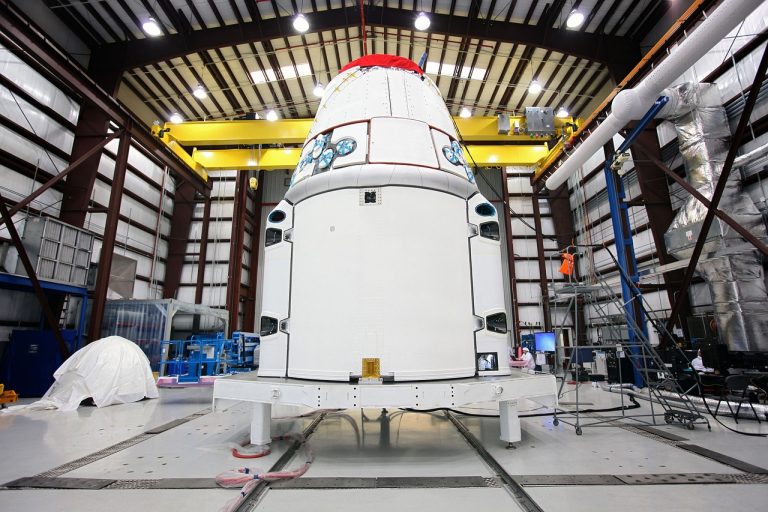
Why Spacecraft Need to Learn How to Fail Gracefully
In space, dependable autonomy means detecting trouble, entering safe states and preserving options—not pretending machines never fail.
Technology, science, the future and digital culture — with context that lasts beyond the news cycle.
In space, dependable autonomy means detecting trouble, entering safe states and preserving options—not pretending machines never fail.
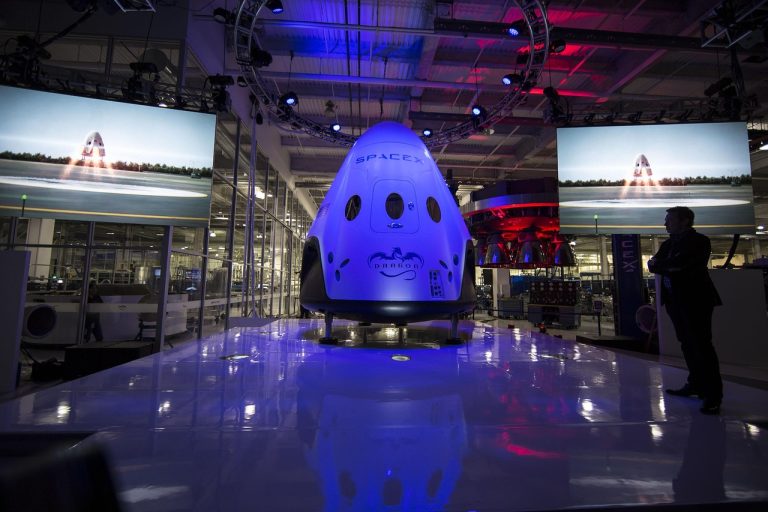
As signals take minutes or hours to cross space, spacecraft autonomy becomes essential for survival, science and human…

AI data centers need more than chips: they need reliable power, transmission capacity and communities willing to host…

The lunar economy will rely less on isolated landers than on shared communications, navigation, timing and access systems.

Lunar clocks do not tick at precisely Earth’s rate. As missions multiply, a shared Moon time standard becomes…
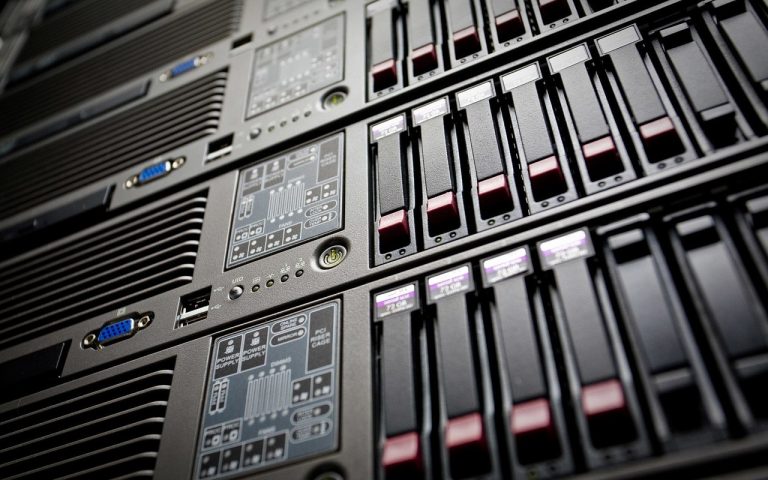
AI’s expansion depends on power, water, land and permits—turning data centers into a growing local political fight.
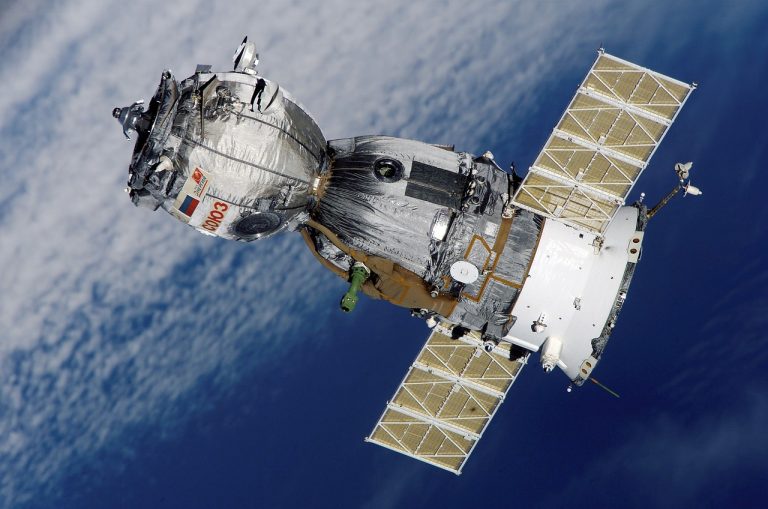
Communication delays make real-time control impossible beyond Earth. Spacecraft autonomy is becoming a safety requirement, not a luxury.

Beyond Earth, spacecraft navigate by combining radio tracking, stars, cameras, physics models and carefully managed uncertainty.

AI becomes safer and more useful when it can distinguish evidence from inference, and a likely answer from…

Lunar dust is not ordinary dirt. Its sharp, charged grains could determine whether Moon habitats, robots and power…